Campus bullying has become a social mutual topic. I am fortunate to participate in the reading club of this book. As the leader of Chapter 4, I have some of the following experiences, and I will share them with you here!
Chapter 4 The inner world of bullies
This chapter mainly explains the possibility and factors of the behavior of bullies. For them, through countless interactions with others, some people are beginning to believe that bullying others is not only an appropriate way to deal with the world, but an indispensable way.
If you want to understand the hearts of these children and help them make better choices, you must change your perspective. It is their life experiences and experiences that shape them into someone who needs to bully others.
From the perspective of social domination theory: bullying is a natural consequence of the way social groups themselves organize. Vulnerable groups have consistent compliance with strong groups, so the unconditional care you get from your parents is crucial.

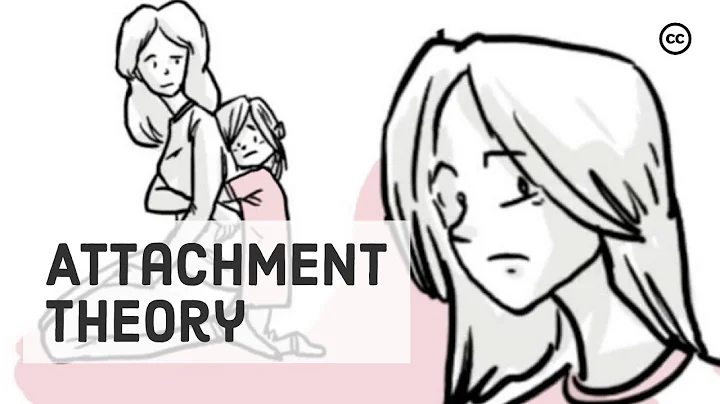
The innate needs of human beings include safety, autonomy and mastery, status and personal space, focus on the relationship between a wider community (big environment), attachment relationships, abilities and achievements, meaning and goals, and connections with mental health. These are closely related to bullying.
In addition to this, environment, damage and knowledge are also obstacles to people's path to satisfying their own needs. For example, lack of security is one of the important reasons why they choose to bully others, and children's sense of security will often change every day because of the lack of consistent principles in their parents' upbringing methods.
Some of the bullies' thoughts are sometimes to distract themselves, relieve their depression, to digest inner humiliation, and to deal with disappointment. Some students will establish their social status through their defeat.
Girls and boys will become bullies, each with different purposes. But they are closely related to power dating and family status, including children's passively facing the psychological gap caused by changes in their family status.
Adults need to help "little bullies" make other choices to stop bullying. Use empathy and change your perception and attitude towards them by understanding them. We need to teach children the right way to meet their inner needs. For those who teach, we should not only help and support those who are bullied, but we should not give up on those who bully others.