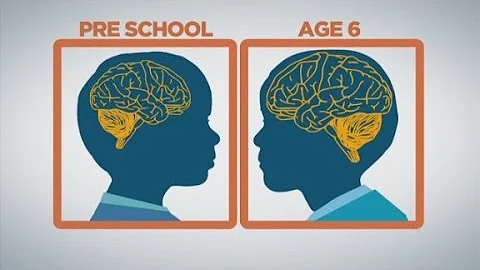
Focus is a person's ability to concentrate highly on something and is the basic ability of children to learn. The quality of attention will affect the development of children's physical and mental aspects such as cognitive ability, learning ability and social interaction.
But concentration is not innate, it needs to be cultivated through acquired conditions, which requires parents to consciously cultivate from an early age to help their children develop good concentration quality and ability. So what specific methods should be used to cultivate children's concentration? Today, Duomei will share with you 10 suggestions for family concentration cultivation!

10 family concentration training suggestions
01 Start with interests
Children will focus more when doing things they are interested in. For example, children like reading books very much in their daily lives, which can guide children to read aloud every day, which can not only improve their concentration, but also improve their audio-visual abilities and language expression skills.
02 Focused learning environment
Creates a special learning environment for children, which should be quiet, tidy and undisturbed. For example, do not place snacks, toys, etc. on your child’s desk that will divert attention.
03 Enough exercise
Exercise plays an irreplaceable and important role in the improvement of children's brain development, especially attention and memory. Parents can often take their children to exercise and go outdoors to get in touch with nature, such as ball sports, skipping rope, running, cycling, etc.
04 Regular life
Regular life routines and routines will let children know what time and what they should do, so they will not waste their energy on irrelevant things and will be able to stay focused on things. Enough sleep every day can also give the child's brain sufficient rest.
05 Play a game that can cultivate concentration
Children are born to like games. They can use some attention games, such as puzzles, building blocks, walking on mazes, Schulte square , etc. to keep children's attention focused for a longer period of time.
06 Disassembly target
Whether in life or in study, when children encounter difficulties and want to give up, parents should encourage their children more and provide appropriate help. For example, you can help your child break down goals, so that your child can overcome difficulties and make continuous progress.
07 Don’t disturb your child easily
When your child is concentrating on doing something, parents should not disturb them casually. For example, chatting loudly next to you, watching videos on your phone to play sounds outside, etc. Don’t frequently ask your child whether to eat or what he is looking for, which will interrupt your child’s concentration. Before parents call their children, observe whether they are doing something focused.
08 Reduce nagging and scolding
If a child is distracted, you can use raising the volume or directly walking to the child with physical contact to regain their attention. If you always yell at your child, it will be useless over time.
09 Reduce screen time
If children are exposed to too much TV, computers, games, short videos, etc., it will make their brains accustomed to this short-frequency and high-stimulation feedback, and it will be difficult for them to concentrate on learning. Try to avoid letting your children get in touch with electronic devices before the age of 2. Parents’ companionship and interaction are more important for their children’s growth.
10 Cultivate children's reading habits
When reading, you must concentrate to obtain information in the book. The more focused a person is, the more efficient his reading will be. When the child starts to have one year old, parents can read picture books and tell stories to their children every day, cultivate their children's interest in reading, and let their children develop the good habit of concentration.
To cultivate children's attention, you need to start from an early age, especially before going to elementary school. Good concentration can help children learn more easily.