[Rose] As the saying goes, "A child's face changes as soon as you say it." Due to their young age and limited ability, children are prone to emotional instability due to their inability to meet their needs. So, what are the common emotional problems in children?
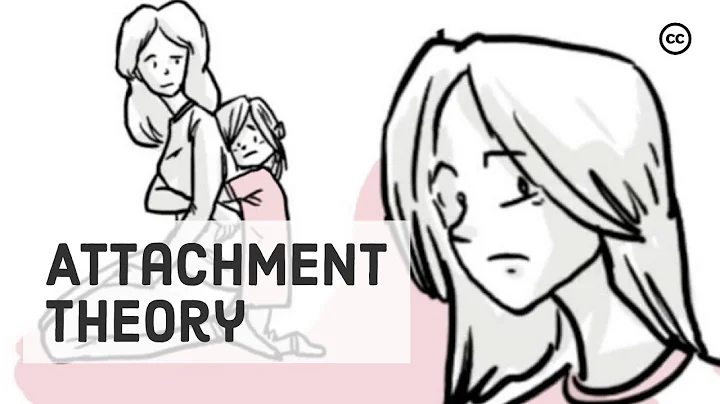
[Breeze] 1. Anxiety is one of the main manifestations of children's emotional problems. Children of younger age are often worried about being separated from the person they are closest to or attached to, also known as separation anxiety. For example, they cry and make noise when they are separated from their parents, do not eat or sleep, and may also experience physical symptoms such as nausea and abdominal pain, or unrealistic concerns about accidents with their relatives. Older children may experience social anxiety and become nervous when interacting with others.
[Breeze] 2. Fear is also a common emotional problem in childhood. 90% of children have temporary fear reactions at a certain stage of development. Generally speaking, this is a normal phenomenon and will not have an impact on life and study. It disappears as China grows older, such as fear of darkness, lightning, and some animals. However, if the fear displayed by children is much greater than the actual level of harm, or is actually not dangerous at all but is very scared, and this kind of fear lasts for a long time, which leads to avoidance and retreat, which will have an impact on normal life, study, and social interaction. For example, if you are afraid of going to school and refuse to go out to see people, then the fear of children will reach a pathological level and should be intervened with professionals.
[Breeze]3. Do you believe that children will also be depressed? Children with more depression is caused by psychological stimulation, such as separation from parents, family discord, punishment, poor test scores, etc., which can occur from babies to teenagers. Children's performance varies in different periods, generally manifested as: depression, crying, tantrums, loss of interest, low self-evaluation, not wanting to study, lack of concentration, decreased grades, and even self-harm, suicide, etc.
[Breeze] 4. Angry emotions, prone to aggressive behavior and withdrawal behavior. It may be frustrated with your parents, others, and even with yourself, or it may be that you think no one is paying attention to your needs. In the face of a child's anger, our goal is not to suppress or destroy the child's anger, but to accept and guide it. Understand the child, face the child's anger, let the child understand his emotions, express his emotions, recognize the rationality of the emotions, and find ways to eliminate anger.
[Rose] Have you ever seen children who are particularly anxious, afraid, depressed and angry? Do you know what caused it?
[Rose] I am Xiangming Banzhp. Everyone is welcome to follow, comment and forward it. I hope our children can grow up healthily!
![[Rose] As the saying goes,](https://cdn-dd.lujuba.top/img/loading.gif)