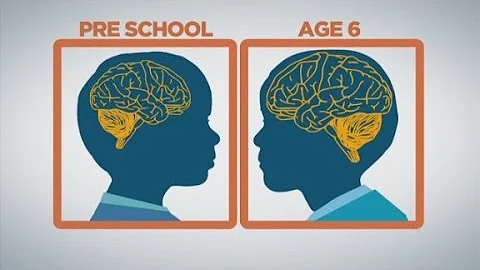
The brain dysplasia of neonatal babies will cause the child's intelligence to be greatly affected. As the age of the year, the manifestations of intellectual abnormalities will become more and more obvious. The movement development of this type of children will also be affected, and in severe cases, the symptoms of epilepsy may also occur. There are also abnormal swallowing ability, which makes it difficult for children to feed.

Every baby's growth is inseparable from the mother's efforts day and night. During this period, the mother is required to be patient enough and have rich parenting knowledge in order to raise the baby healthier. If the mother is not experienced enough, she will not be able to detect it in time after the baby's health problems occur. So, let’s understand what are the manifestations of brain dysplasia in neonatal babies?
The main cause of brain dysplasia in neonatal is hypoxia. For example, hypoxia caused during delivery, or hypoxia in the uterine cavity of the baby, etc., will lead to brain dysplasia in neonatal in . Once such a problem occurs, the baby's health will be greatly threatened. However, each baby has different symptoms and symptoms. Most babies with brain dysplasia will have mental problems, and about 80% of babies will have intellectual disabilities. The main manifestations during the newborn period are slow reactions, dull facial features, etc.
The brain is the center of the nerves of the whole body. When the brain is dysplasia, the nerve function of the whole body may be dysfunction, which will lead to movement disorders in the children. It is mainly manifested as the head cannot stand upright and will always shake. Moreover, the movement of the limbs is also very inconsistent, and cannot be fixed, and is always biased to one side. As the baby grows slowly, the symptoms of movement disorders become more serious, and there will be obvious abnormalities in the development of large movements.
Child dysplasia is difficult to feed because these children have poor swallowing ability and will always flow out when they are breastfeeding. Moreover, they have abnormalities in stimulation responses to external . Some children are too sensitive to external stimulation, but some children have weak responses to external stimulation and may even disappear.
If the baby is severely hypoxia at birth, it may also lead to symptoms of epilepsy. When seizures , the baby will have symptoms such as foaming at the mouth, stiff limbs, and direct eyes. However, after the attack is over, it can return to normal state. The chance of epilepsy is also very high, and mothers have to pay attention.