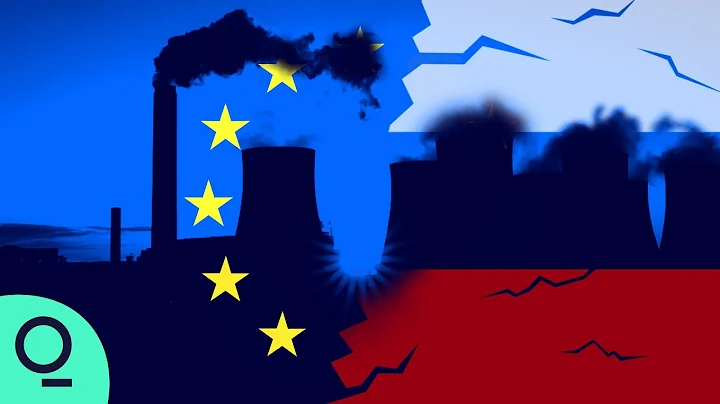
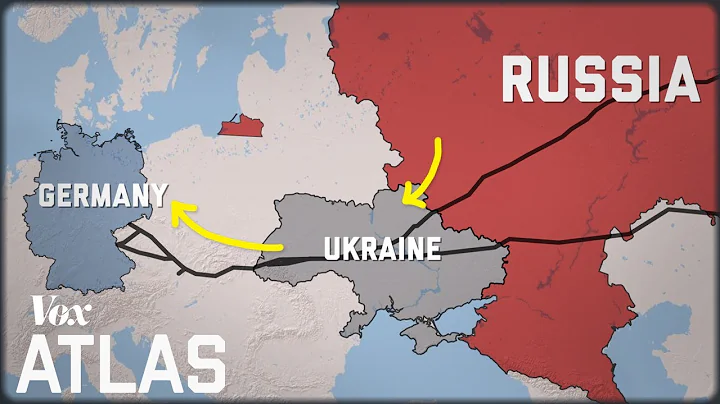
Since the outbreak of the Russia-Ukraine conflict, energy issues have become the core issue in the economic struggle between Russia and European countries. As Russia increasingly tightens the supply of natural gas, the "gas shortage" crisis in Europe has become increasingly severe.
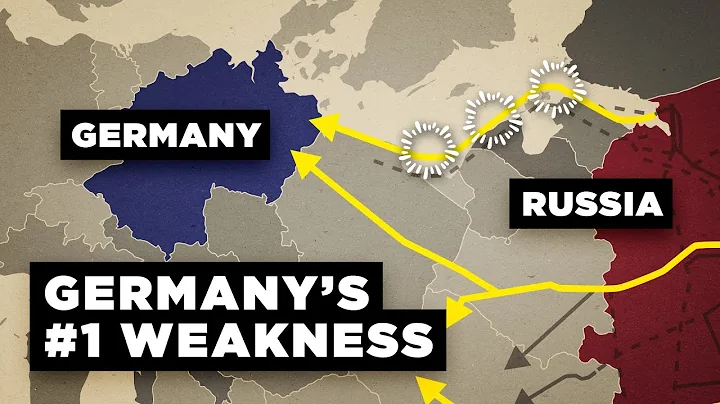
Before the outbreak of the Russia-Ukraine conflict, the European Union 40% of its natural gas demand relied on Russia, and the proportion in Germany was as high as 55%. Gazprom's recent supply cuts have left a huge gap in an already tight global natural gas market.
Coal-fired power plant in Garzweiler, Germany. Picture from foreign media
The Confederation of German Industry (BDI) warned on Tuesday that Germany would face an economic recession if Russian gas supply is completely cut off.
The German Chemical Industry Association VCI also said on Monday that Russian natural gas giant Gazprom's restrictions on deliveries to many European countries have a great impact on Germany. The German government will restart coal power due to pressure on power supply. supply.
Screenshot of Reuters report
Over the weekend, reports from several major European energy companies also indicated that Gazprom’s natural gas supply will be significantly lower than expected. German power company Uniper SE said Uniper received 60% less natural gas from Russia than scheduled due to Russia reducing the supply of natural gas to the European market through gas pipelines. For Russian natural gas, Uniper is the largest German buyer.
Picture source: Uniper Chinese official website
The German Ministry of Economic Affairs said in a statement on the 19th: "In order to reduce natural gas consumption, the use of natural gas for power generation must be reduced... Coal-fired power plants must be used more. " reported that, The decision by the German government marks a change in the attitude of the ruling coalition composed of the Social Democratic Party, the Green Party and the Free Democratic Party towards energy issues. The ruling coalition has vowed to reduce coal use by 2030. Currently, Berlin has successfully reduced the share of natural gas supplied by Russia from 55% before the Russia-Ukraine conflict to 35%.
On the other hand, the government also hopes to incentivize industrial gas consumers to reduce natural gas by introducing an auction model to encourage industrial companies to provide stocks to the wider market when prices are high, especially in bottleneck situations.
The government did not reveal details of how the auction would work, but Habeck said the auction would begin this summer. The measures are aimed at diverting Russia's dwindling natural gas deliveries into storage tanks for use during the winter, rather than being consumed now. Germany aims to increase the utilization rate of its natural gas storage facilities to 90% by December. Currently, Germany's natural gas storage facilities are about 56% full, Habeck said.
Data source: ICIS
VCI Managing Director Wolfgang Grosse Entrup said: "Germany must now quickly and pragmatically take advantage of every opportunity to save natural gas where it can be replaced." "Above all, when switching from natural gas to coal, it must be able to Use all capacity without discrimination,” he added.
The German chemical industry has publicly opposed the government's power reduction plan proposed earlier this year. Bruder Muller, CEO of Germany's BASF Group (BASF, hereinafter referred to as BASF), previously pointed out in an interview with "Frankfurter Allgemeine Zeitung" , if natural gas supply falls below 50% of maximum demand, BASF will have to scale back or completely close its base in Ludwigshafen, Germany. The company also has plans to optimize its European operations in case Germany starts allocating natural gas supplies, reducing output of products that require large amounts of consumption to produce.
Acetylene plant in Ludwigshafen Picture source: BASF
In addition to Germany, gas transmission in other European countries along the "Nord Stream 1" natural gas pipeline is also affected. The Austrian government decided on June 19, local time, to restart a coal power plant in the south of the country to cope with energy shortages caused by reduced natural gas supplies from Russia. On June 20, the Netherlands also resumed the use of coal power and said it would lift some restrictions on fossil fuel power stations to cope with energy shortages. The Dutch government also made an "urgent appeal" to the country's businesses to save energy as much as possible before the arrival of winter. This is undoubtedly a step backward for Europe's energy transition process.