The Caishikou Execution Ground was the largest execution ground in ancient Beijing. How many bloody stories are hidden in it? What do you know about the Caishikou execution ground?
The three dirt roads at the T-shaped intersection of Caishikou, which has a history of more than 800 years, are not wide. The people walked on the street and hugged and shouted. What do they look at? Look at ordinary criminals, look at officials who "died from remonstrance", look at the losers of the upper struggling...

Caishikou was in the Liao Dynasty a thousand years ago. The countryside outside the east gate was the T-shaped street in Shirenmen in the Jin Dynasty. In the Ming Dynasty, it was the largest vegetable market in Beijing. Many people came here to buy vegetables and called the street with the most concentrated vegetable market as Caishi Street. In the Qing Dynasty, it was changed to Caishikou, and this name has been used to this day.
The Caishikou Execution Ground in Qing Dynasty was located near the Caishikou Department Store in Xuanwu District. There are many alleys in Beijing, and there are many street crossings. The most famous one is the Caishikou Execution Ground outside Xuanwumen. The Caishikou Execution Ground is famous because it used to be a place of murder, and it was a execution ground. Many celebrities were beheaded in the food market. mouth. The play sang "introduction of decapitation at the Meridian Gate", in fact, it was taken to the Caishikou to ridicule the red business" and beheaded. After the prisoner was killed, the body was taken away, and the blood was covered by the loess pad, and thereafter someone was here. Selling vegetables, the vegetable market is prosperous, so Caishikou got its name from this.
Every autumn, Dali Temple, Metropolitan Procuratorate, Criminal Department The prisoner will be tried together with Jiuqing, and the execution before the winter solstice is called "Autumn Judgment" or "Business Trip." On the eve of the execution, the jailer must say to the prisoner: "You are overjoyed, the lawsuit is over today! The jailer also gave the prisoner a "ciyang meal": a bag of sauced elbows and a jin of flatbread. On the day of the execution, there was a broken gong before the ceremony of execution. The government served on both sides of the prisoner, and the prisoner was suppressed.
Caishikou killed the most people at one time in the early years of Guangxu. More than 70 people were sentenced to death for a major case of stealing the imperial tomb. After the supervision, the bare soldiers mobilized hundreds of people, and there were only seven or eight carriages that covered the corpse seats. The supervision officers rode tall horses, armed with swords, and were murderous. Both sides escorted the officers and soldiers out of their sheaths, the arrows were wound, the gong was sounded to clear the way, It was severe, because the bandits were cut off, and they were afraid of robbery. It is said that even the soul-sending wine on both sides of the street was exempted.
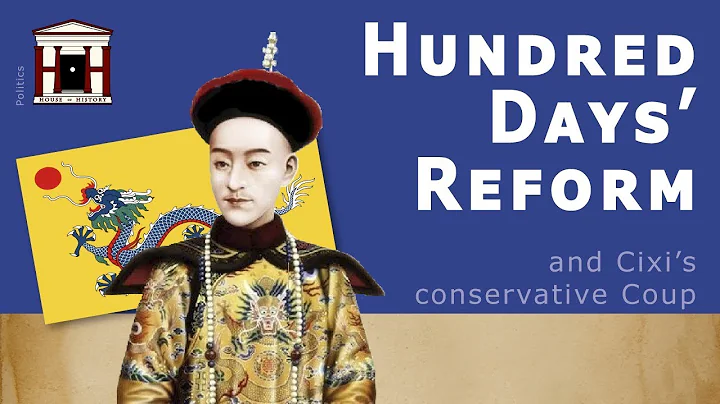
In addition, some losers in the power struggle were also taken to Caishikou for beheading. , Such as Shangshu Qixiu from the Ministry of Rites, Xu Chengyu from the Ministry of Justice Zuo Shilang, bachelor degree, Shangshu Sushun from the Ministry of Households, reformers, boxers of the Boxers...
In July 1900, for half a month, the Qing court killed more than 100 people in Caishikou on the charge of rebellion against the White Lotus Church; on July 15th, 78 people were killed. At that time, "the city" Outside the doors of the shops on both sides of the mouth, headless corpses are piled up...most of them are stupid people in the countryside. When they are being executed, they call for their children and find their wives. "
That year, killing can also make a fortune. When the executioner kills one person, he raises his head to see him. As usual, the supervising and beheading officer uses a Zhu pen to place a little on the prisoner's head. Someone will buy that pen at a high price to suppress evil. Exorcism...
The official Xu Chengyao of the Qing Dynasty wrote a poem "Guo Caishikou": "I passed the West Market in the evening, and the people in the city laughed and laughed. Who knows that I am sad? Where is this place? Old and tired head. The green blood pours into the soil, and the fishy qi gives birth to I scum. The sorrow cloud will not dissipate, Liu Yan Wen Shuangfei. Suspected there are thousands of resentful souls, clamoring and crying from the shadows. The left side crosses the short wall, and Mao Ci retreats. This is a mortuary, peeling off the wall without skin.
The right side is strong and long stalk, and the bottom is dripping with red. Wei Wen decides the prisoner's day, and the two battles take the prisoner. On the high platform, the criminal officer sits tall. The prisoner was prostrated and looked at each other. Can't refer to the prisoner's neck, hold a blade in one battle. The middle shoulder or middle skull is hard to know under the blade. When the prisoner received the blade, the pain was extremely silent. There are relatives, or parents and wives. Weeping blood cannot be replaced, and it will destroy the heart and spleen. ”